How to Plan the Perfect Tiger Safari India Tour
- indiatigersafari2
- Jul 8
- 9 min read


Planning a Tiger Safari India Tour is about much more than choosing a national park and booking a jeep. The right destination, travel season, safari permits, accommodation, and itinerary all play an important role in shaping your wildlife experience. India is home to the world's largest wild tiger population and has more than 50 notified tiger reserves managed under the National Tiger Conservation Authority (NTCA), making it one of the best places to see Bengal tigers in their natural habitat. Careful planning not only improves your chances of wildlife sightings but also helps you enjoy a smoother and more responsible safari experience.
What Makes a Tiger Safari India Tour Special?
Unlike a zoo or wildlife park, a tiger safari takes place inside protected forests where animals roam freely. Every safari is different because wildlife movements depend on natural factors such as weather, prey availability, and habitat conditions.
India's tiger reserves protect diverse landscapes, including dry deciduous forests, grasslands, river valleys, and sal forests. Besides tigers, visitors often encounter leopards, sloth bears, wild dogs, elephants, deer species, crocodiles, and hundreds of bird species. This diversity makes every safari rewarding, even when a tiger remains elusive. The NTCA regulates tiger conservation and tourism guidelines to balance visitor experiences with wildlife protection.
Choose the Right Tiger Reserve for Your Trip
Selecting the right destination is one of the most important decisions while planning your safari. Every tiger reserve offers a unique landscape and wildlife experience.
Best National Parks for First-Time Visitors
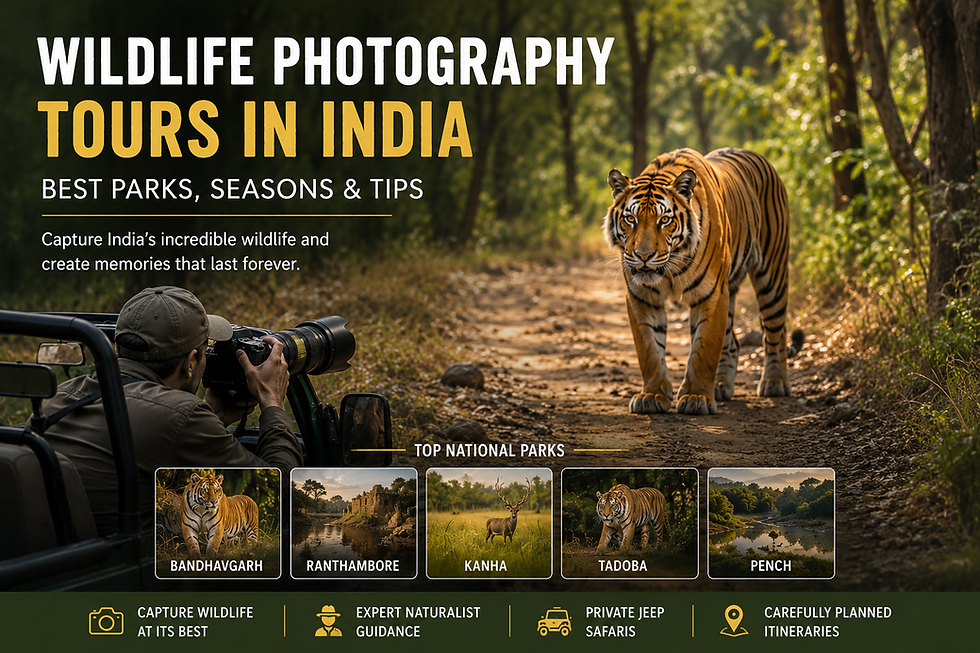
For travelers visiting India National parks for their first safari, parks with well-developed tourism infrastructure are often the easiest choice. Reserves such as Ranthambore, Bandhavgarh, Kanha, Pench, and Tadoba provide guided jeep safaris, experienced naturalists, and a variety of accommodation options.
Best Parks for Frequent Tiger Sightings
Although no wildlife sighting can ever be guaranteed, some reserves have developed a strong reputation for regular tiger sightings because of healthy tiger populations, habitat quality, and experienced tracking teams. Bandhavgarh, Tadoba, Pench, and Ranthambore are among the destinations frequently recommended by wildlife enthusiasts.
Best Parks for Wildlife Photography
Photography enthusiasts often prefer parks with open landscapes, good visibility, and diverse wildlife. Besides photographing tigers, these parks offer opportunities to capture birds, mammals, reptiles, and scenic forest landscapes throughout the safari.
Choosing a Park Based on Your Travel Style
Your ideal destination depends on your travel goals.
Families may prefer parks with comfortable resorts and easy accessibility.
Wildlife photographers often look for parks with multiple safari zones and longer stays.
Birdwatchers may choose reserves known for rich avian diversity.
Travelers seeking a premium experience may prefer luxury safari lodges with personalized services.
Choosing a destination that matches your interests creates a far more satisfying safari than simply selecting the most popular park.
Decide the Best Time for Your Tiger Safari
The timing of your visit significantly affects weather conditions, forest scenery, and wildlife visibility.
Winter Season (October to February)
Winter is one of the most comfortable seasons for wildlife travel. Pleasant temperatures make long jeep safaris enjoyable, and parks are lush after the monsoon. This period is ideal for families, international visitors, and those who prefer mild weather.
Summer Season (March to June)
Summer is widely considered the best season for tiger sightings. As temperatures rise, water becomes limited, encouraging wildlife to visit lakes and waterholes more frequently. Forest vegetation also becomes thinner, improving visibility during safaris.
Although daytime temperatures can be high, many experienced wildlife photographers choose summer because of the increased opportunity to observe animal activity near water sources.
Monsoon Season (July to September)
Most core safari zones remain closed during the monsoon to protect wildlife habitats and ensure visitor safety. Some buffer zones in selected reserves may remain open depending on local forest department regulations. Always check the latest park schedules before planning your trip.
Decide How Many Safari Drives You Should Book
Many first-time visitors assume one safari is enough to see a tiger. In reality, wildlife sightings are never guaranteed.
Booking multiple game drives increases your chances of observing different wildlife species and exploring various safari zones. Each drive offers different weather conditions, animal movements, and forest experiences.
Many experienced travelers plan between four and six safari drives during a three- to five-day visit. This provides enough opportunities to experience different parts of the reserve while allowing flexibility if weather or wildlife activity changes.
Morning vs Evening Safaris
Both safari timings have their advantages.
Morning safaris usually offer cooler temperatures, soft natural light, and active wildlife after sunrise. Evening safaris provide beautiful golden light and opportunities to observe animals becoming active before sunset.
If your schedule allows, booking a combination of both sessions offers the most balanced wildlife experience.
Book Your Safari Permits in Advance
Safari permits are issued by the respective state forest departments and are available in limited numbers for each safari zone. During holidays and peak wildlife seasons, permits often sell out several weeks or even months in advance.
Why Early Booking Is Important
Advance booking gives you more flexibility in choosing:
Preferred safari dates
Desired safari zones
Morning or evening drives
Vehicle availability
Last-minute bookings may leave only limited options, especially in popular reserves.
Documents Required
While requirements vary slightly between states, visitors are generally required to provide valid government-issued identification during booking and carry the same ID on the day of the safari for verification.
Using official booking systems or reputable wildlife tour operators helps ensure that permits, accommodation, and safari schedules are coordinated efficiently.
Choose the Right Safari Vehicle
The type of vehicle also influences your safari experience.
Jeep Safari
Open gypsy vehicles usually accommodate a small number of visitors and provide greater flexibility on designated safari routes. They are popular among photographers and wildlife enthusiasts because of better viewing opportunities.
Canter Safari
Canters are larger open vehicles carrying more passengers. They are commonly available in selected parks and can be a practical option during busy travel periods.
Which Option Is Better?
Neither vehicle guarantees better wildlife sightings because all safaris follow regulated routes within designated zones. The choice depends on your budget, group size, and preferred travel style. Smaller jeeps generally provide a quieter and more personal wildlife experience, while canters can be a cost-effective option for larger groups.
Understand Safari Zones Before Booking
Most tiger reserves are divided into core and buffer zones to balance wildlife conservation with tourism. While both offer opportunities to see wildlife, understanding the difference can help you plan your safari more effectively.
Core Zones
Core zones are the most protected areas of a tiger reserve. These forests generally have limited human activity and are managed primarily for wildlife conservation. Safari access is carefully regulated, and only a fixed number of vehicles are allowed to enter during each safari session. Because these areas provide ideal habitats for tigers and other wildlife, many visitors prefer booking core zones whenever available.
Buffer Zones
Buffer zones surround the core area and act as a transition between protected forests and nearby communities. They also support a wide range of wildlife, including tigers that move between habitats. In recent years, many buffer zones have reported excellent wildlife sightings while helping distribute tourism more evenly across the reserve.
Do Safari Zones Affect Tiger Sightings?
No safari zone can guarantee a tiger sighting. Wild animals move freely within their habitat, and their movements depend on natural conditions such as prey availability, weather, and territory. Instead of focusing only on one zone, consider booking multiple safari drives across different zones to increase your overall wildlife experience.
Plan Your Travel Itinerary
A well-planned itinerary allows enough time to enjoy the forest without feeling rushed.
How Many Days Should You Stay?
A stay of three to five days is ideal for most travelers. This gives you enough time to enjoy multiple safari drives, relax between outings, and explore the surrounding area if available.
If you are visiting more than one national park, plan at least two to three nights at each destination to make the most of your journey.
Suggested Itinerary for a Short Safari
A simple itinerary could include:
Day 1: Arrival, check-in, and evening at leisure.
Day 2: Morning and evening safari.
Day 3: Morning safari followed by departure.
This schedule allows you to experience different safari timings while keeping the trip comfortable.
Multi-Park Safari Planning
Travelers with extra time often combine two or more tiger reserves. Visiting multiple parks offers different landscapes, wildlife behavior, and photography opportunities while reducing dependence on sightings in a single destination.
Choose Accommodation Near the Safari Gate
Staying close to the park entrance helps reduce travel time before early morning safaris.
Luxury Lodges
Luxury wildlife lodges usually offer spacious rooms, natural surroundings, guided nature walks, and personalized hospitality. Many also arrange transfers and safari coordination for guests.
Mid-Range Hotels
Mid-range accommodations provide comfortable rooms and essential facilities while remaining budget-friendly. They are a popular choice for families and small groups.
Budget Stays
Guesthouses and budget hotels are available near many tiger reserves, making wildlife travel accessible for all kinds of visitors.
Why Location Matters
Choosing accommodation near your safari gate allows you to reach the park on time, especially for morning drives when entry follows a fixed schedule.
What to Pack for a Tiger Safari India Tour
Packing appropriately helps you stay comfortable throughout the safari.
Clothing
Wear lightweight clothing in natural colours such as green, brown, or beige. Neutral shades blend into the surroundings and are generally recommended for wildlife viewing. Carry a light jacket during winter mornings, as temperatures can be cool.
Photography Equipment
If you enjoy photography, carry extra batteries, memory cards, lens cleaning cloths, and a telephoto lens if available. A pair of binoculars is also useful for observing distant wildlife.
Travel Essentials
Keep sunscreen, sunglasses, a reusable water bottle, insect repellent, and any required medications with you. A small backpack makes it easy to carry your essentials during safari drives.
Safari Etiquette and Safety Guidelines
Following park rules helps protect both wildlife and visitors.
Always follow the instructions of your guide and forest officials.
Remain seated inside the safari vehicle unless instructed otherwise.
Avoid making loud noises that may disturb wildlife.
Never feed or attempt to approach wild animals.
Do not leave plastic or other waste inside the forest.
Respect speed limits and designated safari routes.
Responsible tourism supports long-term wildlife conservation while ensuring every visitor enjoys a safe experience. The National Tiger Conservation Authority promotes responsible tourism practices across India's tiger reserves. (Source: NTCA)
Tips to Improve Your Chances of Seeing a Tiger
Although tiger sightings can never be guaranteed, a few practical steps may improve your overall safari experience.
Book multiple safari drives instead of relying on a single visit.
Visit during the dry season when wildlife is more active around water sources.
Listen carefully to your naturalist, who understands animal behaviour and forest signs.
Stay patient and enjoy every aspect of the forest, including birds, deer, elephants, and other wildlife.
Many memorable safari moments come from observing the complete ecosystem rather than focusing only on one species.
Common Mistakes to Avoid When Planning a Tiger Safari
Many first-time visitors make simple mistakes that can affect their experience.
Waiting until the last minute to book safari permits.
Choosing travel dates without checking seasonal park closures.
Expecting guaranteed tiger sightings.
Planning too few safari drives.
Carrying brightly coloured clothing or making unnecessary noise.
Ignoring travel time between airports, railway stations, and national parks.
Avoiding these mistakes helps create a smoother and more enjoyable safari.
Why Book with India Tiger Safari?
Planning a wildlife holiday involves more than booking a safari permit. Choosing the right park, selecting suitable accommodation, arranging transportation, and creating a practical itinerary all require careful coordination.
India Tiger Safari specializes in professionally planned wildlife tours across India's leading tiger reserves. From safari permit assistance and comfortable accommodation to experienced naturalists and customized itineraries, every tour is designed to provide a seamless wildlife experience. Whether you are planning your first safari, a luxury wildlife holiday, or a photography-focused journey, personalized planning allows you to spend more time enjoying the forest and less time managing travel arrangements.
Make Your Tiger Safari India Tour Easier to Plan
Planning a tiger safari involves more than selecting a national park. Travelers also need to consider the best travel season, safari permit availability, accommodation, transportation, and the number of safari drives needed for a rewarding wildlife experience. Managing all these details independently can be time-consuming, especially for first-time visitors or those planning to explore multiple tiger reserves.
This is where experienced wildlife tour specialists can make the planning process much simpler. At India Tiger Safari, every itinerary is designed around the traveler's interests, schedule, and budget. From arranging safari permits and selecting suitable lodges to planning comfortable transfers and guided game drives, each part of the journey is carefully coordinated to create a smooth travel experience.
Whether your goal is wildlife photography, a family holiday, a luxury safari, or visiting multiple national parks, thoughtful planning allows you to spend less time managing logistics and more time enjoying India's remarkable forests and wildlife. With experienced naturalists and customized itineraries, travelers can explore some of the country's finest tiger reserves with confidence while supporting responsible wildlife tourism.
Conclusion
Planning the perfect Tiger Safari India Tour begins with choosing the right destination, travelling in the appropriate season, booking safari permits early, and allowing enough time for multiple game drives. A thoughtful itinerary not only improves your chances of memorable wildlife sightings but also helps you appreciate the incredible biodiversity of India's protected forests.
Whether your goal is to spot a Royal Bengal tiger, photograph rare wildlife, or simply experience nature at its best, careful planning makes every safari more rewarding. By travelling responsibly and respecting wildlife, you also contribute to the conservation efforts that protect these remarkable landscapes for future generations.


Comments